
Understanding Western Australia, property market pressure, rental challenges, and strategic opportunities in one of Australia’s most critical housing shortages.
If you’re living in Western Australia, planning to move here, or considering property investment, the housing crisis isn’t just a headline—it’s reshaping every decision around where to live, what to pay, and how to build wealth through property. This comprehensive guide breaks down exactly what’s happening, why it matters, and what you can do about it.
Where Western Australia Stands in 2026: The Critical Numbers
Western Australia is experiencing one of the most severe housing shortages in the nation, and the pressure isn’t letting up. Here’s the stark reality facing WA residents right now:
Housing Stress
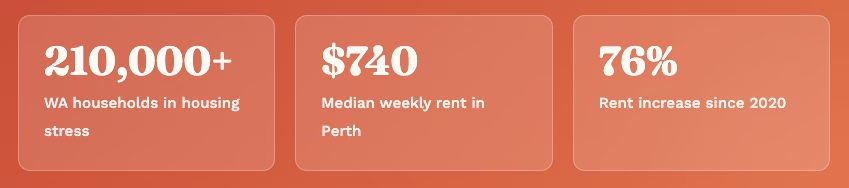
More than 210,000 WA households report their housing as unaffordable—a staggering 91% increase since 2022. This represents families making impossible choices between rent and essential living costs.
Rental Pressure
Perth’s median rent sits around $740 per week, roughly 70-76% higher than 2020 levels. Vacancy rates hover between 1-2%, creating fierce competition for every available property.
Supply Shortage
WA completed just over 20,000 homes in 2024—still about 4,000 below the annual target needed to meet the National Housing Accord commitments.
Construction Delays
Build times have stretched to 15 months or more, creating a significant backlog of dwellings under construction and delaying relief for the market.
Key Insight: The crisis isn’t just about affordability—it’s a fundamental supply and demand imbalance that’s reshaping WA’s housing landscape for years to come.
What’s Driving the Western Australia Housing Crisis Through 2032?
1. Explosive Population Growth
Western Australia’s population is projected to surge to approximately 3.5 million by 2033 and reach 4 million by the early 2040s. This growth is driven primarily by migration linked to the booming resources sector, which continues to attract workers from across Australia and internationally.
The resources boom isn’t just creating jobs—it’s creating unprecedented demand for housing in Perth and regional mining centers. Every new worker needs accommodation, and the supply simply hasn’t kept pace with this influx.
2. Years of Chronic Underbuilding
WA has fallen thousands of homes behind its “fair share” of the 1.2 million homes Australia plans to build nationally by 2029. This isn’t a new problem—it’s the result of years of underproduction that has created a structural deficit in housing stock.
To meet state targets aligned with national goals, WA needs to average close to 27,000 new homes per year through 2029. Compare that to the roughly 20,000 completed recently, and you can see the massive gap that needs closing.
3. Vanishing Rental Properties
WA lost an estimated 20,000 rental properties during the pandemic period as landlords exited the market or converted properties to other uses. Between 2023 and 2024, Perth fell approximately 7,700 rentals short of simply keeping pace with population growth—let alone making up lost ground.
This rental stock loss has created a perfect storm: more people competing for fewer properties, driving rents to record highs and leaving many households in precarious situations.
4. Cost and Capacity Constraints
Even with strong demand and high prices, the construction industry faces significant barriers:
- Labour shortages: The construction sector struggles to find enough skilled workers to meet demand
- High material costs: Building materials remain expensive, squeezing project margins and viability
- Extended timelines: Regulatory processes and supply chain issues continue to delay projects
- Infrastructure gaps: New developments require supporting infrastructure that takes time to deliver
Western Australia 2026-2032 Outlook: What to Expect
No forecast provides precise year-by-year predictions, but all available analysis points to the same conclusion: Western Australia will remain under significant housing pressure through the early 2030s unless construction and policy responses scale up dramatically.
2026-2027: Continued Pressure
Housing demand remains strong as migration and resources investment continue. Competition for properties—both rental and purchase—stays intense. Expect minimal relief in rental prices or availability.
2028-2030: Potential Easing (If…)
If construction accelerates to 27,000+ homes annually and stays sustained, market conditions may begin to ease. However, this requires overcoming current labour and cost constraints—a significant challenge.
2031-2032: Structural Shift
By the early 2030s, cumulative supply gains could finally start closing the gap. Policy changes in social housing, build-to-rent incentives, and rental protections may reshape the market. Timing depends heavily on action taken now.
Reality Check: Without significant uplift in construction rates and sustained policy commitment, analysts warn of continuing high rents, stretched affordability, and ongoing pressure on key workers and lower-income households throughout this period.
Government Responses and Policy Changes
Understanding policy directions is crucial for anyone making property decisions in WA. Here’s what’s in play:
The WA Housing Strategy 2020-2030
The State Government’s comprehensive strategy aims to increase overall supply, expand social and affordable housing, and remove planning and construction bottlenecks. Key focus areas include streamlined approvals, increased density in established areas, and support for diverse housing types.
Social Housing Expansion
The State has committed billions to housing and homelessness measures and is actively adding social housing stock. However, estimates suggest around 16,000 extra social dwellings are needed just to reach the social housing share seen in NSW and South Australia, a substantial gap that will take years to close.
Rental Market Protections
Community groups are actively pushing for stronger renter protections, including:
- Rent stabilization mechanisms to limit annual increases
- Longer notice periods for rental terminations
- An end to “no-grounds” evictions
- Improved minimum standards for rental properties
These reforms could significantly impact landlord-tenant dynamics and investment strategies in coming years.

What This Means for YOU: Practical Implications
If You’re a Renter
Expect continued pressure. Rental availability will remain tight through at least 2028-2029. Competition for properties will stay fierce, particularly in Perth metro and mining regions. Budget for potential rent increases and consider:
- Signing longer leases when possible for price stability
- Exploring suburbs with slightly better vacancy rates
- Building strong tenant history to strengthen future applications
- Staying informed about emerging renter protections
If You’re a Prospective Buyer
Opportunity exists, but strategy matters. While prices remain elevated, strong fundamentals support long-term capital growth. Key considerations:
- Perth and regional centers with resources sector exposure show strongest demand
- Properties near planned infrastructure receive premium positioning
- New builds face long timelines—consider established properties for faster entry
- First home buyer schemes offer meaningful support in this market
If You’re an Investor
Strong rental yields, but watch policy. Low vacancy and high rents create attractive rental returns, but policy changes around tenant protections and taxation could impact strategies. Focus on:
- Areas with sustained population growth and employment drivers
- Property types in short supply (family homes, affordable brackets)
- Building diversification to manage regulatory risk
- Long-term hold strategies that weather market cycles
Strategic Opportunity: Despite the challenges, WA’s housing crisis creates clear opportunities for those with the right strategy, expert guidance, and proper financial structuring to build wealth while navigating market complexity.
Navigate the WA Housing Crisis with Expert Guidance
The housing crisis creates both challenges and opportunities. At Rishav Buyers Agent Powered by Leverage Listing, we help you turn market complexity into strategic advantage.
Whether you’re struggling with rental affordability, ready to enter the property market despite the challenges, or seeking to build wealth through strategic investment, we provide the expertise and market insight to help you succeed in WA’s complex housing landscape.
show less