The property market isn’t just about numbers — it’s about knowing which ones matter. With the right expert insights, you can cut through the noise and make smarter moves. From negotiation tactics to uncovering hidden growth suburbs, these insights don’t just save you money — they position you ahead of the competition. Whether you’re a first-home buyer or a seasoned investor, the smartest property decisions come from seeing what others miss.

Why Melbourne Is Poised to Boom in 2026
KPMG’s chief economist, Dr Brendan Rynne, puts it simply: Melbourne is coming out of its post-COVID property slumber. The city’s affordability, lifestyle, and amenities are pulling both home buyers and investors back into the market.

In this guide, you’ll discover how aligning with upcoming projects lets you tap into early growth zones. We’ll walk through the checklist—from strategic suburbs and diversification to risk due diligence—so you build a property portfolio that’s not just profitable, but resilient over the long haul.

In Australia’s fast-moving property market, one overlooked number is quietly signalling where opportunity lies: Days on Market (DOM). Forget auction clearance rates or median price growth — DOM tells you how long a property takes to sell, and it’s dropping fast in key suburbs.
According to PropTrack, shrinking DOM is the early warning sign of rising buyer demand — and rising prices soon to follow. For first-home buyers and investors, this metric is your secret weapon to time the market before the crowd catches on.
In property, the money is made when you buy, “not when you sell“. The purchase price, the property’s fundamentals, and the risks you avoid all play a bigger role in your long-term returns than anything that happens later.
And that’s where due diligence comes in.
Skipping due diligence is like buying a car without looking under the bonnet. It might look shiny, but you could be signing up for years of costly repairs and underperformance. Whether you’re a first-home buyer or a seasoned investor, thorough due diligence is the single most important step to protect your capital, grow your wealth, and avoid buyer’s regret.
Understanding the Importance of Due Diligence
Due diligence is your property safety net. It’s the process of verifying all the facts before you commit — from the property’s legal standing to its structural integrity, market value, and future growth potential.
Without it, you’re exposed to:
Overpaying in a hot market
Buying in a suburb about to face oversupply
Purchasing a property with structural or legal issues
Locking into poor rental returns that stunt your portfolio growth
When you get due diligence right, you’re not just buying a property — you’re buying peace of mind and a future income stream.
Key Elements of Due Diligence
I apply a multi-layered due diligence framework to every property purchase for my clients. Here’s what that looks like:
1. Market Analysis
Suburb Selection: Vacancy rates, median price trends, days on market, and supply pipeline
Growth Drivers: Infrastructure projects, job hubs, and demographic shifts
Comparable Sales: What similar properties have sold for recently to confirm fair market value
2. Property Condition
Building & Pest Inspection: Identifying structural issues, pest infestations, and maintenance costs
Strata Reports (for units/townhouses): Health of the sinking fund, special levies, and by-law restrictions
Renovation/Upgrade Potential: Opportunities to add value without overcapitalising
3. Legal & Regulatory Checks
Zoning & Overlays: Future development restrictions or rezoning potential
Title Search: Easements, covenants, or disputes that could affect use or value
Compliance: Ensuring renovations and extensions meet council approval
4. Neighbourhood Assessment
Noise levels, crime rates, flood/fire zones, and proximity to desirable (or undesirable) amenities
Rental appeal for the target tenant demographic
Financial Considerations
Due diligence is just as much about the numbers as it is about the bricks and mortar.
Holding Costs: Rates, insurance, property management, and maintenance
Capital Growth Potential: Historical trends combined with forward-looking market indicators
Exit Strategy: Understanding how easy it will be to sell or refinance when you need to
The difference between a property that grows at 5% p.a. and one that grows at 8% p.a. over 10 years could be hundreds of thousands of dollars. Due diligence is how you find and keep the 8% performer.
The Role of Professional Advisors
You can do some checks yourself, but there’s no substitute for having an experienced team in your corner:
Buyers Agent (that’s me) – Finds, evaluates, and negotiates properties that meet your criteria and outperform the market
Building & Pest Inspector – Identifies hidden defects before you sign
Mortgage Broker/Bank Lender – Secures the right lending structure and interest rate for your strategy
Accountant/Financial Planner – Advises on tax implications and portfolio structuring
Cutting corners here to “save money” is like skipping a pre-purchase inspection on a million-dollar asset the risk far outweighs the cost.
Long-term Benefits of Due Diligence
Here’s what comprehensive due diligence delivers over the long haul:
Higher ROI – You’re buying in the right location, at the right price, with growth upside
Lower Risk – You avoid costly surprises like repairs, vacancy blowouts, or legal disputes
Better Lending Opportunities – Stronger valuations can unlock equity for your next purchase sooner
Portfolio Stability – Every asset in your portfolio works towards your financial goals instead of holding you back
Due diligence isn’t just a pre-purchase task, it’s a long-term investment in your wealth-building strategy.
Case Studies: Success through Due Diligence
Case Study 1: The First-Home Buyer Who Avoided a $40,000 Mistake
A young couple was ready to buy a townhouse in Melbourne’s southeast. It looked perfect, but our strata due diligence uncovered an upcoming $40k special levy for structural repairs. They walked away, found a similar property in a neighbouring suburb, and saved themselves a financial disaster.
Case Study 2: The Homebuyer Who Secured Instant Equity
A homeowner engaged me to find a high-growth Sydney unit. Due diligence revealed a pocket where rental demand was rising but prices hadn’t caught up yet. We purchased under market value, and within 8 months, the property was valued $88K higher without lifting a hammer. They were able to utilise this equity to close all bad debts they had.
The Bottom Line
In today’s market, due diligence is non-negotiable. With Melbourne tipped to lead Australia’s property growth in 2026, the competition will heat up fast. The buyers who take shortcuts will either overpay, buy the wrong asset, or get stuck with a property that underperforms for years.
The buyers who take the time (and seek expert help) to do it right will position themselves for stronger returns, lower risk, and faster portfolio growth.
Next Steps – How I Can Help
If you’re ready to buy in whether you’re a first-home buyer or an investor expanding your portfolio, I’ll guide you through a CLEAR Strategy-driven due diligence process that:
Identifies the right suburbs with data-backed growth potential
Finds on-market, off-market, and pre-market properties that fit your goals
Negotiates the best terms so you don’t overpay
Risk assesses every property so you can buy with confidence
Don’t wait until the competition floods the market. Book your Property Buying Strategy Session now, and let’s make sure your next purchase is not just a property but a profitable asset.
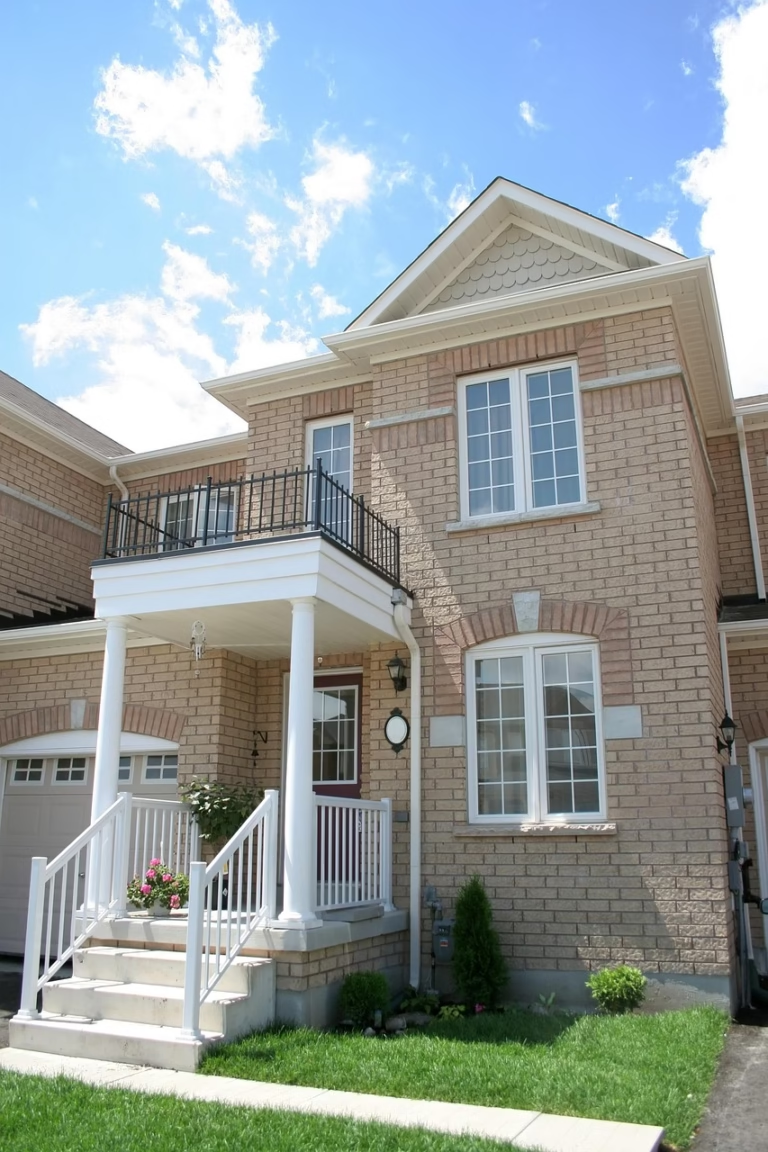
Buying your dream home isn’t just about finding the right property — it’s about nailing the negotiation. From price and settlement terms to hidden contingencies, the contract stage can make or break your deal. Mastering the basics of contract negotiation not only protects your interests but can also save you serious money.

Western Australia is charging ahead with a $342 million clean energy upgrade — a move set to reshape local economies and unlock new opportunities for investors. From infrastructure upgrades to job creation, this isn’t just an energy story; it’s a property story. Smarter, greener projects boost liveability, attract population growth, and spark demand in nearby suburbs.

NDIS property investment is more than just real estate — it’s about creating housing that changes lives while generating reliable returns. With strong government backing, long-term leases, and high rental yields, this niche offers both impact and income. For investors willing to learn the framework, NDIS can be a powerful way to diversify a portfolio while making a difference.
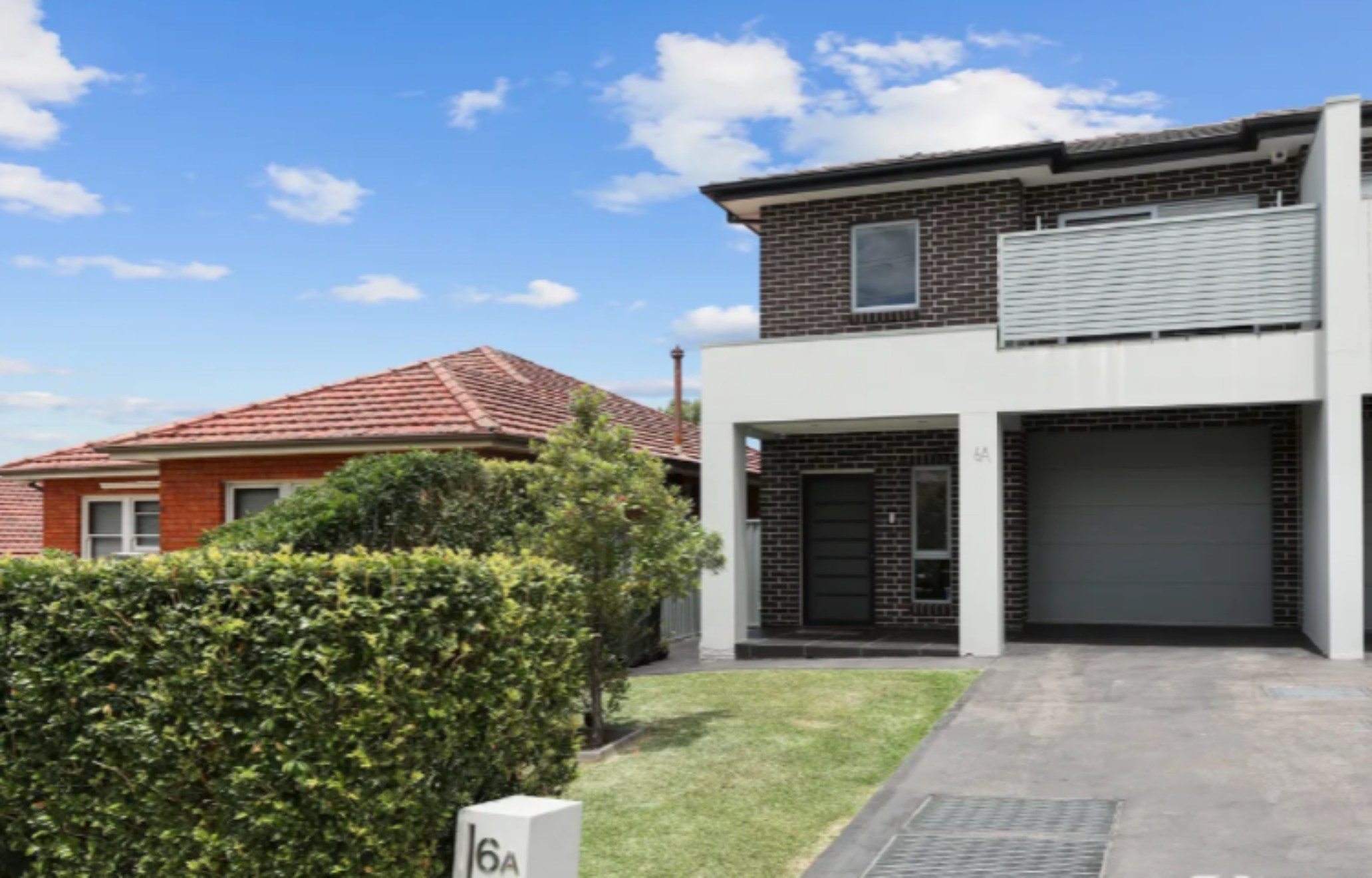
When our Sydney client came to us, they were overwhelmed — a $1.6M budget, a growing family, and uncertainty about choosing the right suburb. With expert analysis, tailored strategy, and sharp negotiation, we secured their dream home for $1.56M. In just two years, it’s grown to $1.74M — delivering $200K in equity, 6.22% annual capital growth, and the foundation for their next investment. A clear path from first home to long-term wealth.

When our Sydney client planned a move to Melbourne, they faced uncertainty — new market dynamics, zoning rules, and overwhelming property options. Within 3 months, we helped them secure a $680K home that’s already valued at $730K, with 4.49% rental yield potential if converted into an investment property and 2.94% annual growth. With expert zoning insights, thorough inspections, and skilled negotiation, they transitioned smoothly — gaining both a family home and a solid investment foundation..
Contains information related to marketing campaigns of the user. These are shared with Google AdWords / Google Ads when the Google Ads and Google Analytics accounts are linked together.
90 days
__utma
ID used to identify users and sessions
2 years after last activity
__utmt
Used to monitor number of Google Analytics server requests
10 minutes
__utmb
Used to distinguish new sessions and visits. This cookie is set when the GA.js javascript library is loaded and there is no existing __utmb cookie. The cookie is updated every time data is sent to the Google Analytics server.
30 minutes after last activity
__utmc
Used only with old Urchin versions of Google Analytics and not with GA.js. Was used to distinguish between new sessions and visits at the end of a session.
End of session (browser)
__utmz
Contains information about the traffic source or campaign that directed user to the website. The cookie is set when the GA.js javascript is loaded and updated when data is sent to the Google Anaytics server
6 months after last activity
__utmv
Contains custom information set by the web developer via the _setCustomVar method in Google Analytics. This cookie is updated every time new data is sent to the Google Analytics server.
2 years after last activity
__utmx
Used to determine whether a user is included in an A / B or Multivariate test.
18 months
_ga
ID used to identify users
2 years
_gali
Used by Google Analytics to determine which links on a page are being clicked
30 seconds
_ga_
ID used to identify users
2 years
_gid
ID used to identify users for 24 hours after last activity
24 hours
_gat
Used to monitor number of Google Analytics server requests when using Google Tag Manager